Tire design plays a crucial role in vehicle performance, safety, and comfort. Among various tire characteristics, the shoulder design—whether open or closed, significantly impacts handling, traction, noise levels, and wear patterns. Understanding the differences between open and closed shoulder tires can help to choose the right tires for someones driving needs.
What Are Shoulders on Tires?
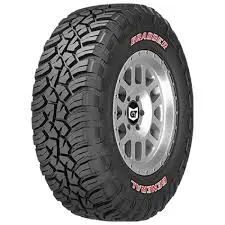
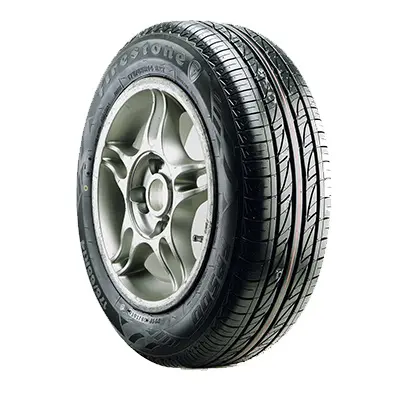
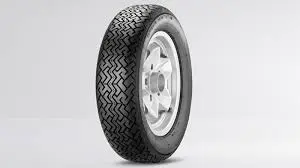
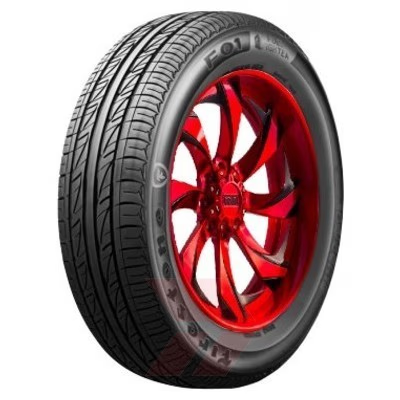
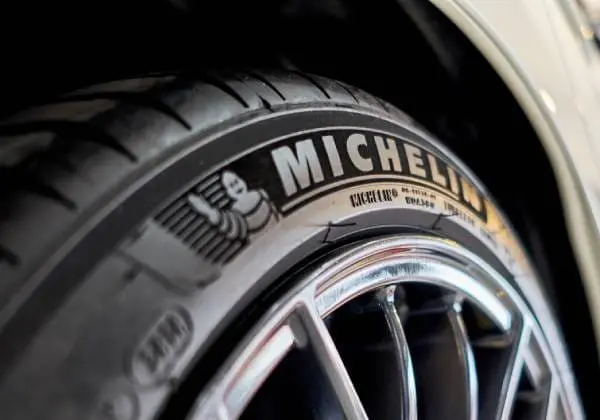
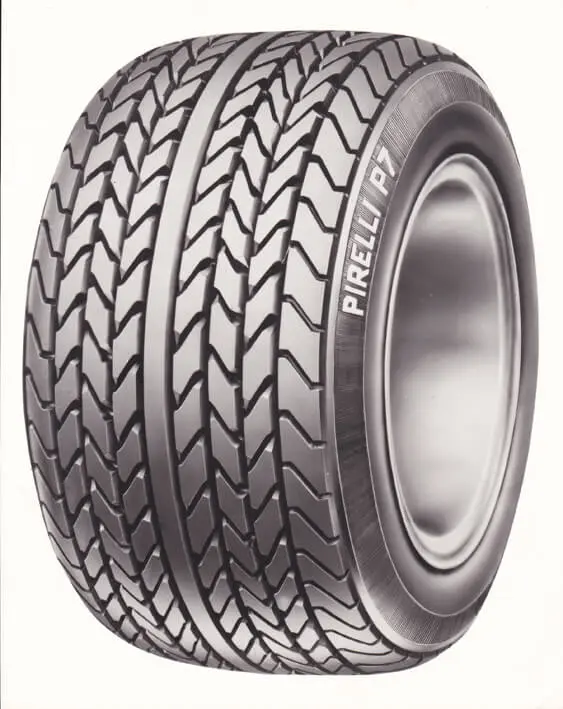
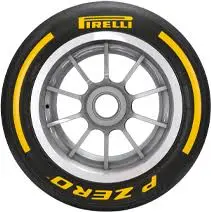
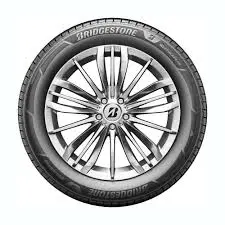
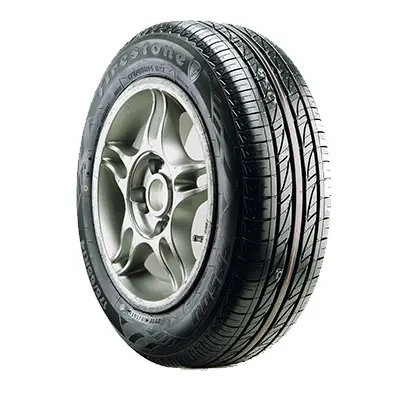
The shoulder of a tire is the area where the tread meets the sidewall. Basically its the outside portion of tread on each side of the tire that contacts the road. Tire manufacturers design the shoulder with specific patterns that influence how the tire controls water, slush, snow, or mud to purge or exit as you roll onto new pavement. Some tires have no openings or what is considered a rib type shoulder or a closed shoulder, but some tires are made in a block type design with openings to let weather/muck exit.
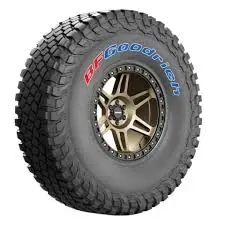
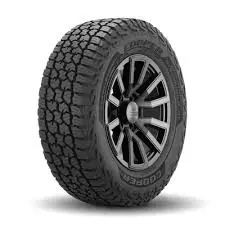
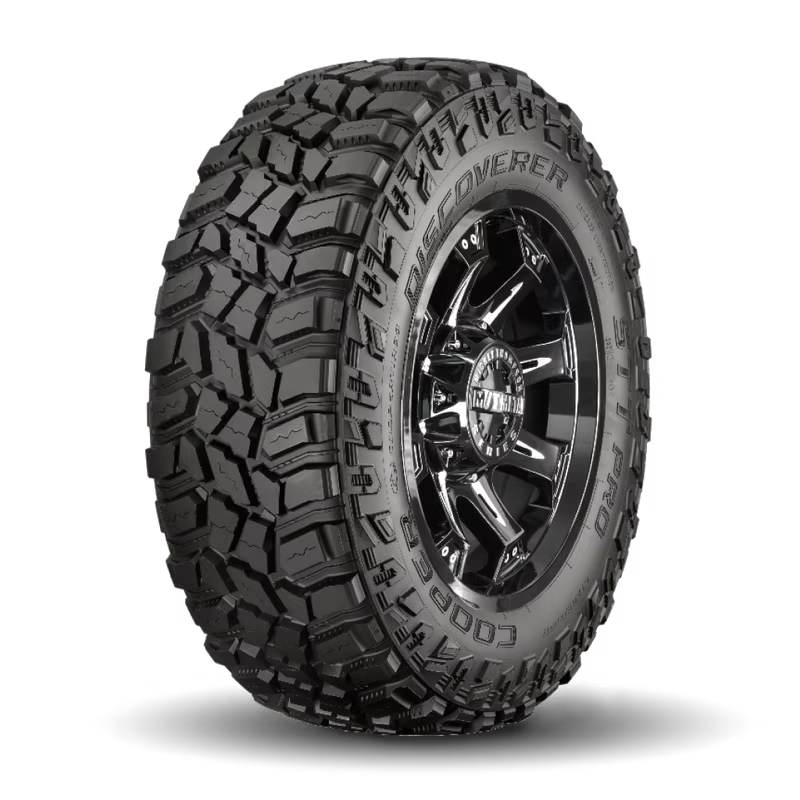
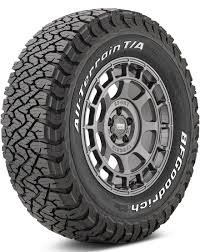
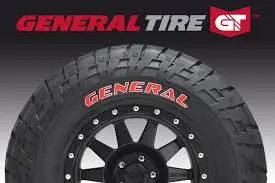
Open shoulder tires feature grooves or channels between the tread blocks on the shoulder area. These gaps or voids create an “open” pattern that allows water, mud, and debris to escape more easily.
Advantages
Improved Water Evacuation: The open channels help prevent hydroplaning by efficiently channeling water away from the contact patch.
Enhanced Traction: Especially beneficial in wet, muddy, or snowy conditions, open shoulders provide better grip.
Better Self-Cleaning: Off-road or all-terrain tires often use open shoulders to shed mud and stones, maintaining performance.
Disadvantages:
Increased Road Noise: The open spaces can sometimes cause more noise as air passes through the grooves, especially on all terrain or mud type off road tires
Potential Faster Wear: The tread blocks on open shoulders may wear quicker due to less surface area contact.
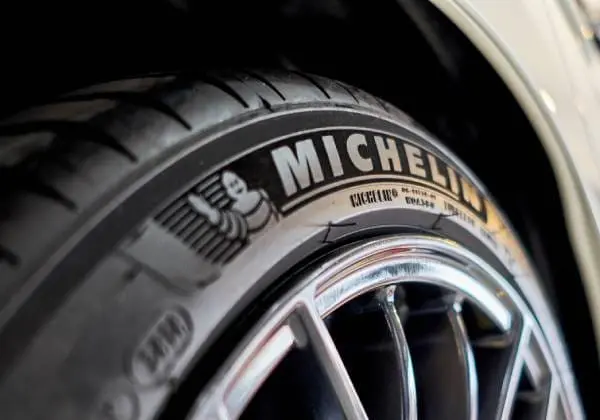
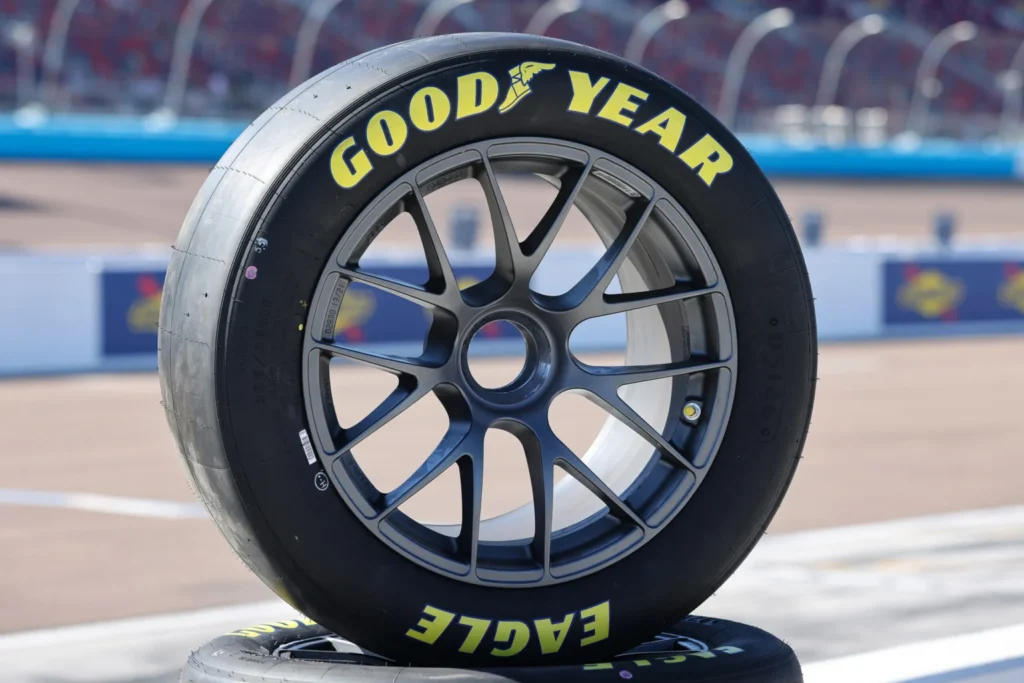
Closed shoulder tires have tread blocks that are tightly packed together, with minimal or no grooves between them. This design creates a “closed” appearance on the shoulder.
Advantages:
:
Quieter Ride: The continuous tread blocks reduce air noise, offering a smoother and quieter driving experience.
Longer Tread Life: Larger tread blocks on the shoulder often wear more evenly and slowly.
Better Stability: Closed shoulders provide more surface area contact during cornering, improving handling on dry pavement.
Disadvantages:
Reduced Water Evacuation: Closed shoulders may not channel water as effectively, potentially increasing hydroplaning risk in heavy rain.
Less Off-Road Capability: Closed shoulders are less effective at shedding mud and debris, making them less suitable for rough terrain.
Choosing Between Open and Closed Shoulder Tires
The ideal shoulder design depends on your typical driving conditions and priorities:
For wet, snowy or off-road conditions, open shoulder tires offer better traction and self-cleaning properties.
For highway driving, dry pavement, and a quieter ride, closed shoulder tires are preferable.
Many all-season tires balance features to offer moderate performance in various conditions
Conclusion
For wet, snowy or off-road conditions, open shoulder tires offer better traction and self-cleaning properties.
For highway driving, dry pavement, and a quieter ride, closed shoulder tires are preferable.
Many all-season tires balance features to offer moderate performance in various conditions